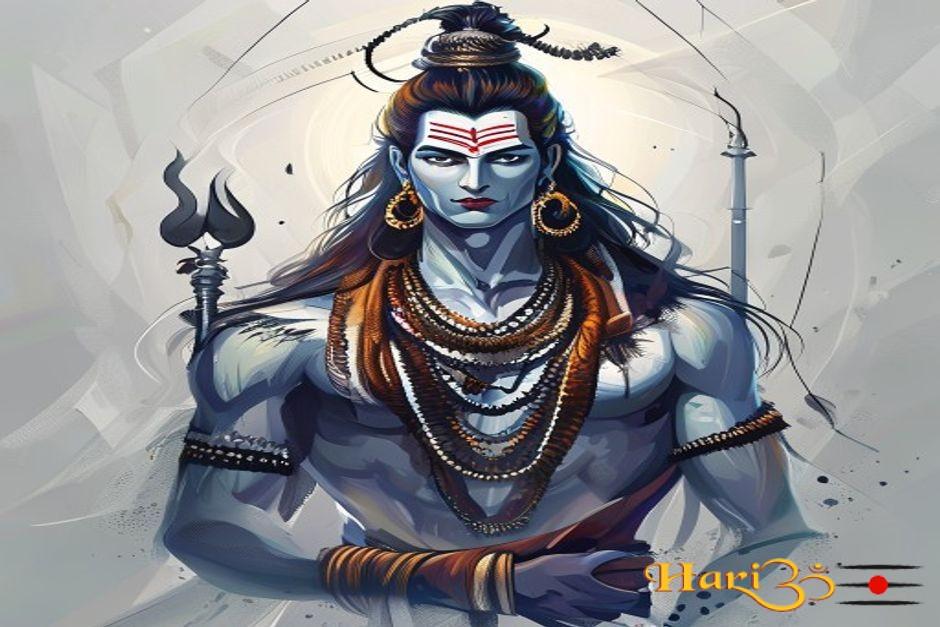
Lord Shiva is one of the three primary aspects of the Supreme God in Hinduism, alongside Brahma and Vishnu. He is often depicted as a powerful, cosmic force, responsible for the cycles of creation and destruction in the universe. The spiritual significance of Lord Shiva lies in his association with the transformative power of change, which is an essential aspect of life.
The concept of Lord Shiva can be found in various ancient scriptures, including the Puranas and the Upanishads. In the Shiva Purana, Lord Shiva is described as the ultimate reality, beyond human comprehension. He is often depicted with a third eye on his forehead, symbolizing his all-knowing nature.
Scriptural References
The Mahabharata, one of the most revered Hindu epics, contains several references to Lord Shiva. In the Bhagavad Gita, Lord Krishna describes Lord Shiva as the supreme being, who is beyond human understanding.
Traditions and Cultural Importance
In Hindu tradition, Lord Shiva is often worshipped as a destroyer of evil and an upholder of justice. His consort, Parvati, is considered the embodiment of feminine power and nurturing qualities. The sacred lingam, a symbol of Lord Shiva, is revered in many temples across India and beyond.
The festival of Maha Shivaratri, observed on the 14th day of the Phalguna month, is a significant celebration of Lord Shiva's divine power. Devotees fast, chant, and meditate on the night before the full moon, seeking to connect with the cosmic forces embodied by Lord Shiva.